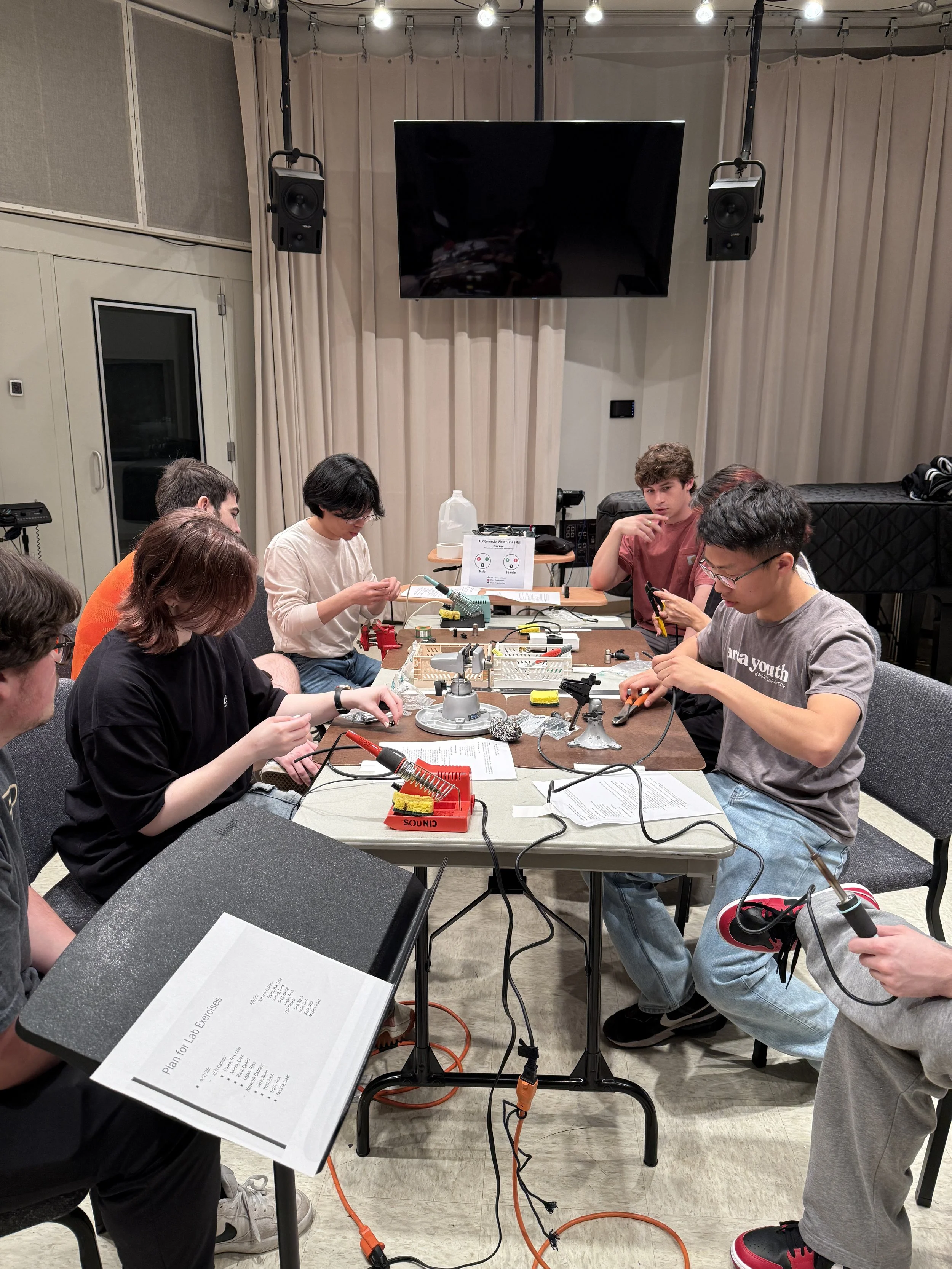
Sound Power offers comprehensive AV Training including:
-
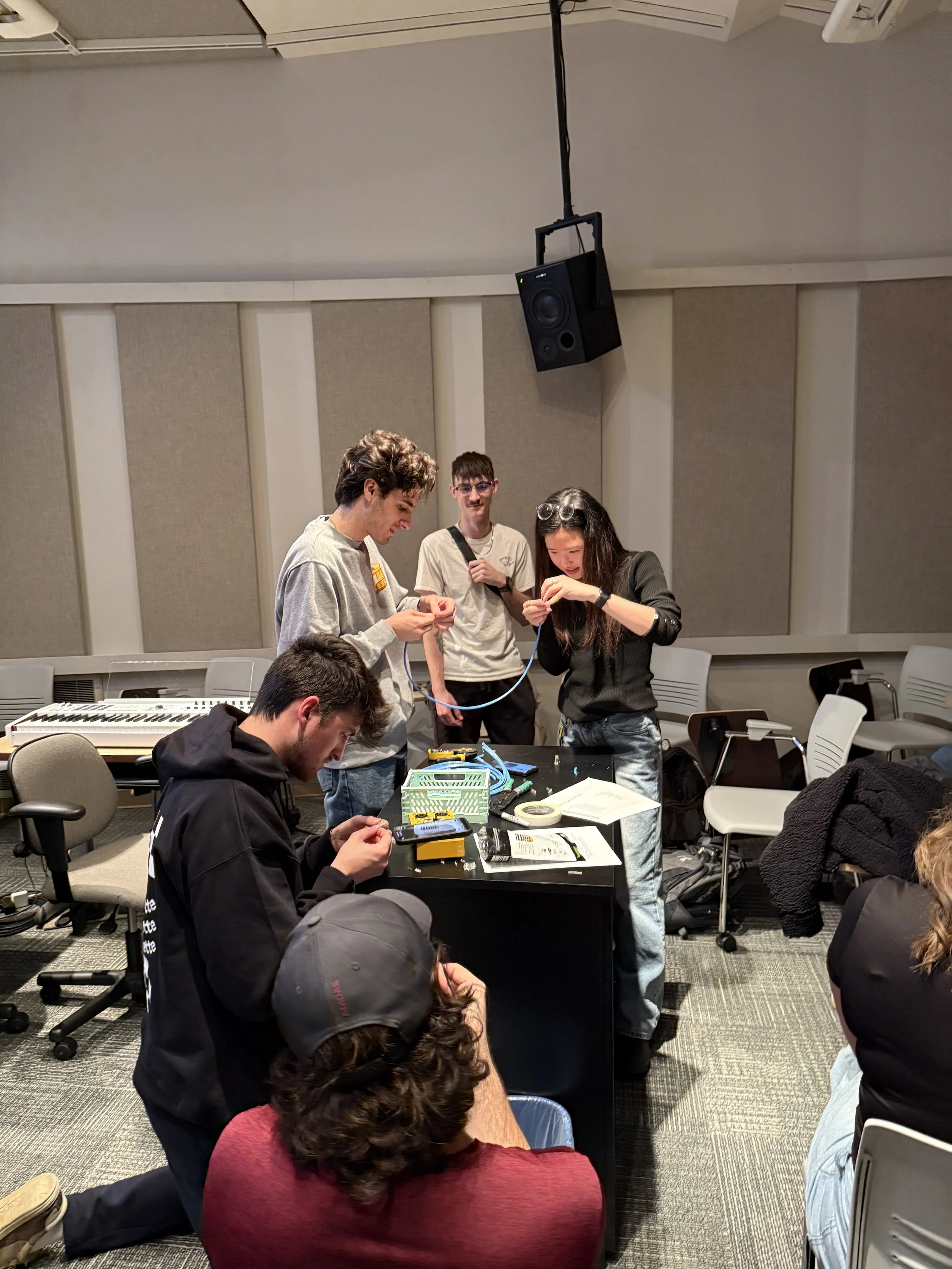
System Design, Integration, and Maintainance
Students in the AV Consulting and Integration courses learn how to design, document, and implement professional audiovisual systems for performing arts and entertainment venues. Through a combination of lectures, labs, and simulated design charrettes, students develop a deep understanding of how audio, video, control, and network systems work together within complex environments.
These courses introduce industry standards and best practices used by professional AV consultants, including Division 27 specification writing, signal flow and infrastructure documentation, and coordination with architects and engineers. Students gain hands-on experience designing systems that integrate DSPs, amplifiers, projectors, control processors, and networked audio technologies such as Dante, AVB Milan, and AES67.
By the end of the course, students produce a full design package—complete with rack elevations, panel layouts, and signal flow drawings—that simulates a real-world bid set for a theatre or performance space.
Emphasis is placed on clear documentation, technical accuracy, and the ability to communicate design intent to clients and contractors. Graduates leave the course prepared to enter the field of AV consulting, integration, or systems design with confidence in both the creative and technical aspects of the profession.
-
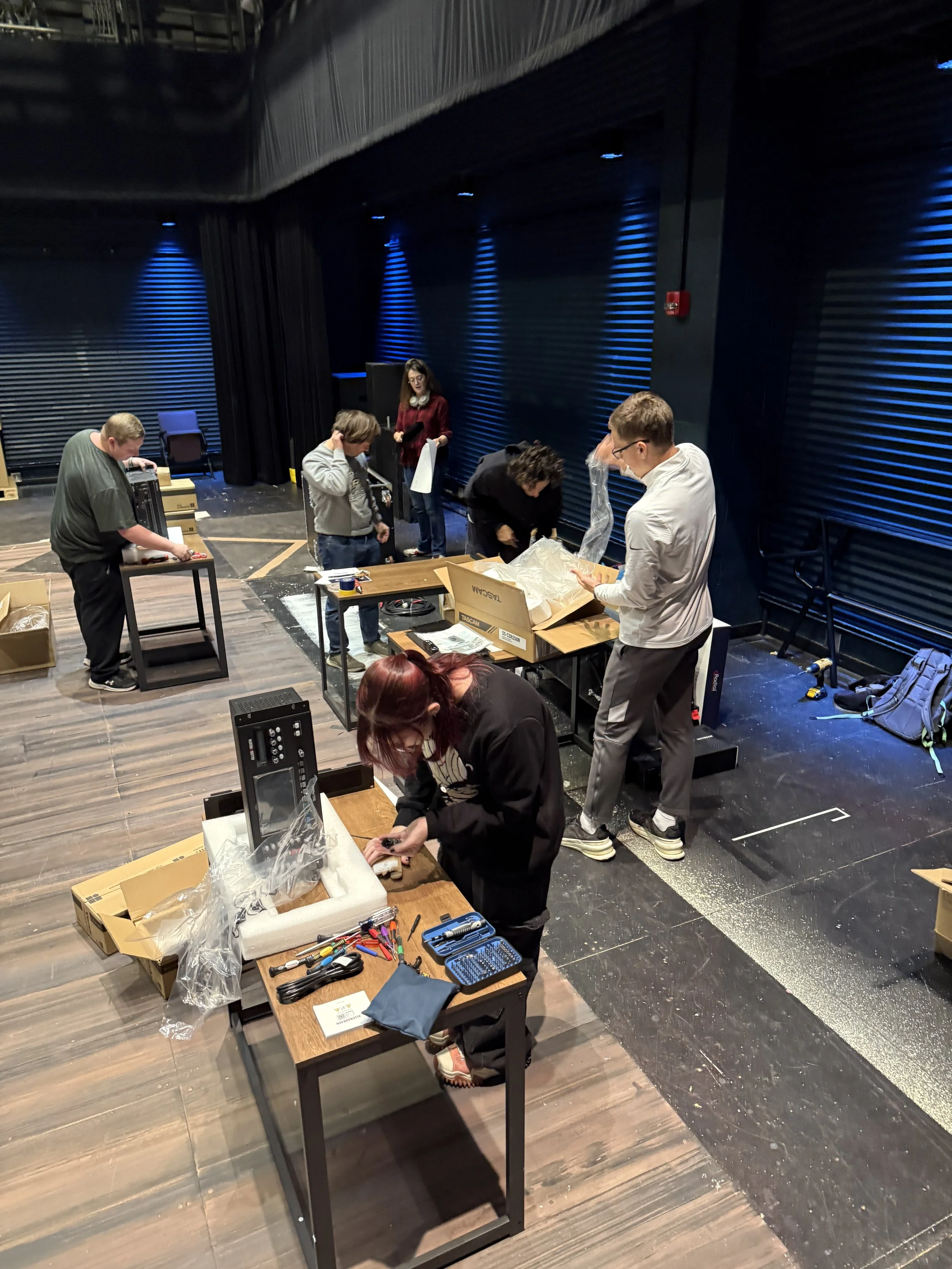
Live Production Fundamentals
Courses in Live Production Techniques immerse students in the art and science of producing professional live events. Through hands-on projects and practical demonstrations, students learn how to plan, assemble, and operate complex audio systems used in concerts, theatre, and large-scale entertainment environments.
Core topics include wireless microphone and intercom frequency coordination, equipment rack construction and signal management, loudspeaker system prediction and deployment, and live sound mixing for music and theatrical productions. Students work with professional tools and software to analyze venues, optimize coverage, and configure digital consoles, DSPs, and wireless networks for reliable performance under real-world conditions.
Emphasis is placed on workflow, communication, and technical precision—skills essential to careers in touring sound, event production, and venue operation. By combining engineering principles with creative decision-making, these courses prepare students to approach live sound as both a craft and a design discipline, capable of supporting expressive, immersive audience experiences in any performance setting.
-
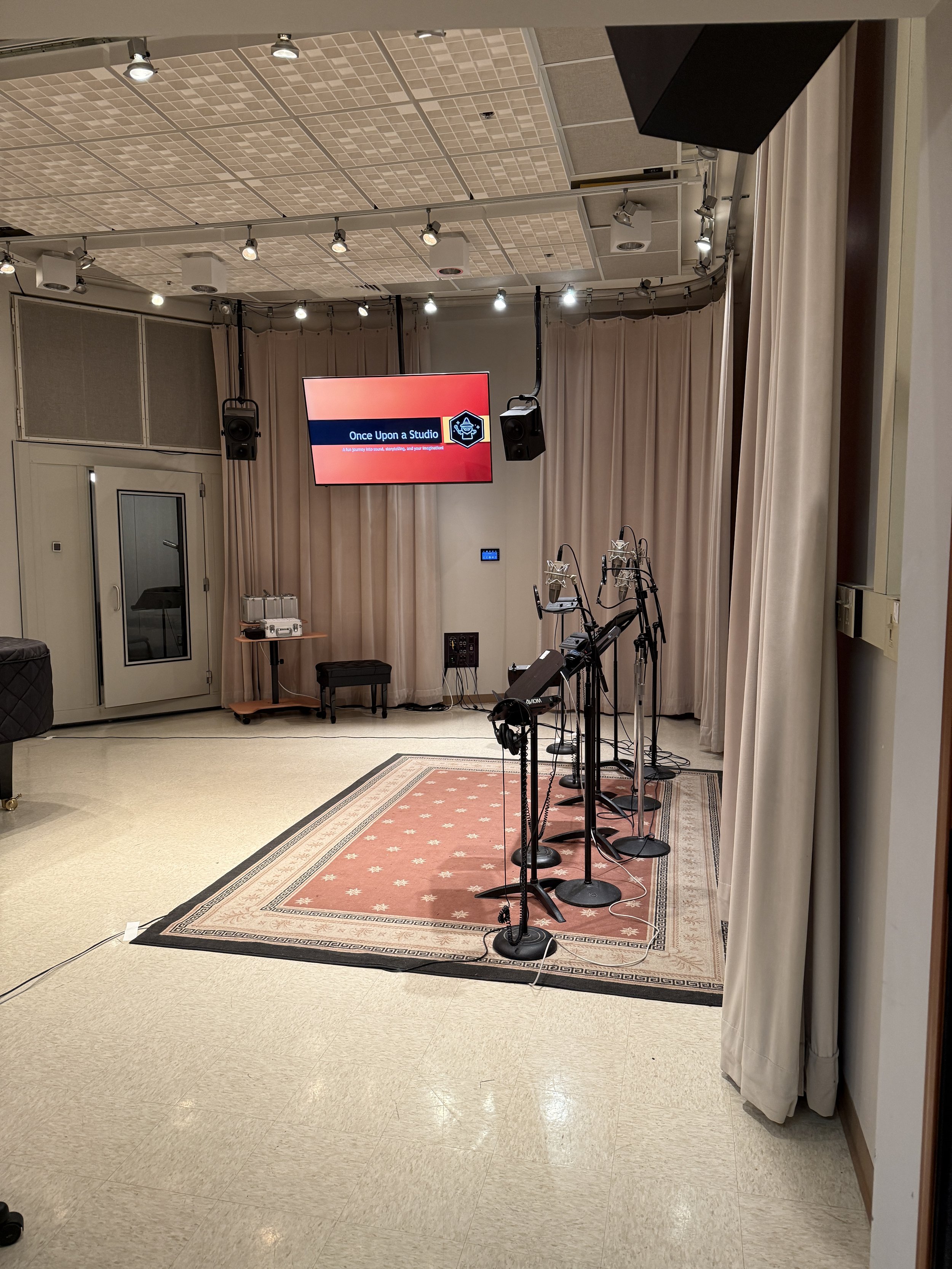
Sound Design and Recording
Courses in Sound Design and Recording explore how sound shapes storytelling, emotion, and atmosphere across a range of media. Students learn to record, edit, and design audio for theatre, film, radio, and interactive experiences, developing both creative artistry and technical mastery.
Through projects such as radio drama production, theatrical sound design, and studio recording, students gain experience capturing clean dialogue, layering sound effects, composing ambient soundscapes, and mixing finished productions. Emphasis is placed on critical listening, narrative intent, and the use of professional software and hardware tools—such as digital audio workstations, microphones, and outboard processors—to achieve expressive, cinematic results.
Students also study the psychology of sound and how auditory choices influence audience perception and emotion. By the end of the program, they are capable of conceiving and realizing complete sound designs from concept to final mix, ready to apply their skills in live performance, film and television, podcasts, interactive media, and other creative industries where storytelling through sound is essential.